
Antennas
Antennas for routers and network gear: LTE and 5G antennas to boost mobile internet, 2.4 and 5 GHz Wi-Fi antennas, GNSS antennas and Teltonika and MikroTik combination roof antennas.
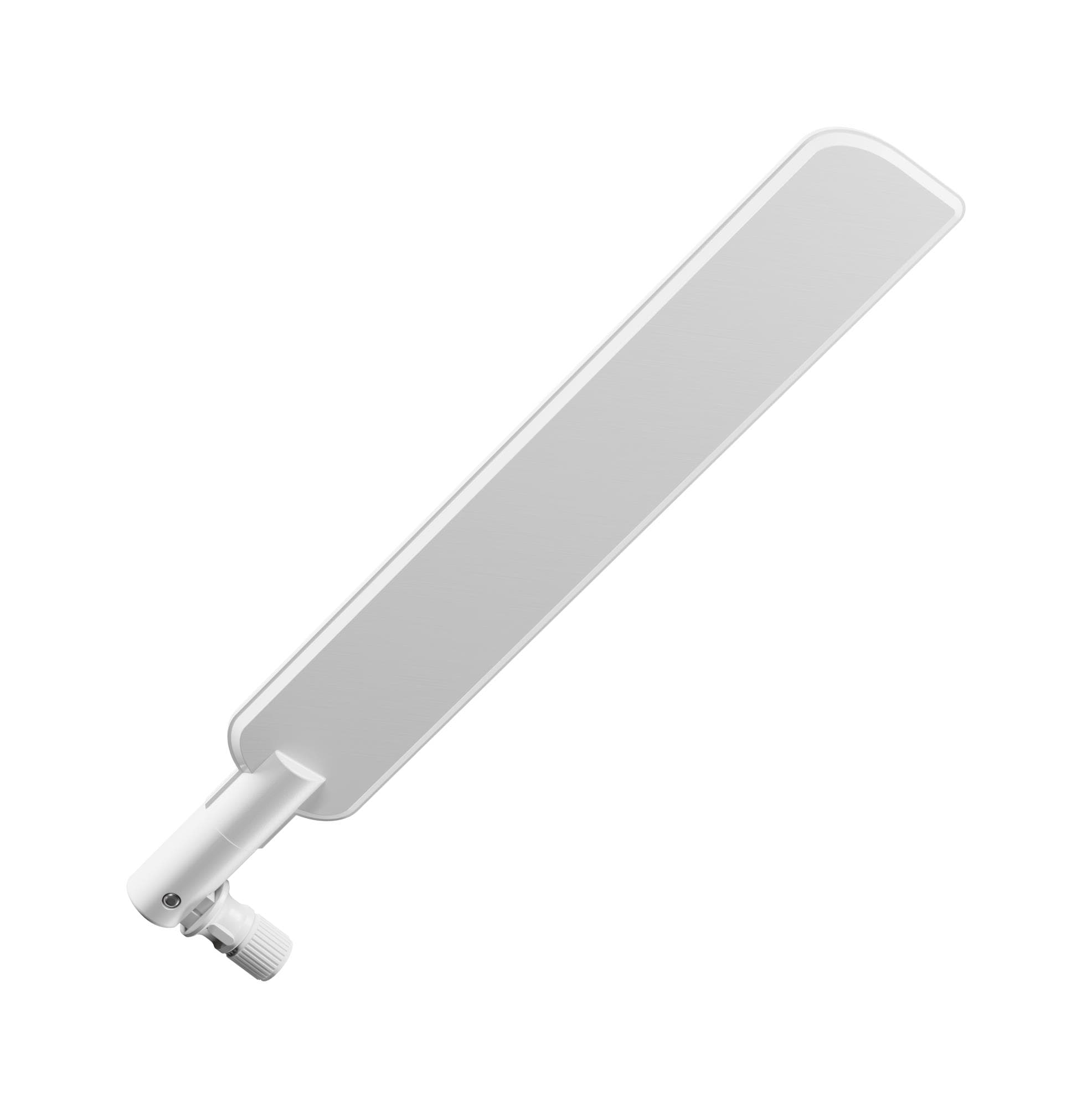
MikroTik HGO-LTE-W LTE / 5G / LoRa antenna, 699 MHz–3.8 GHz
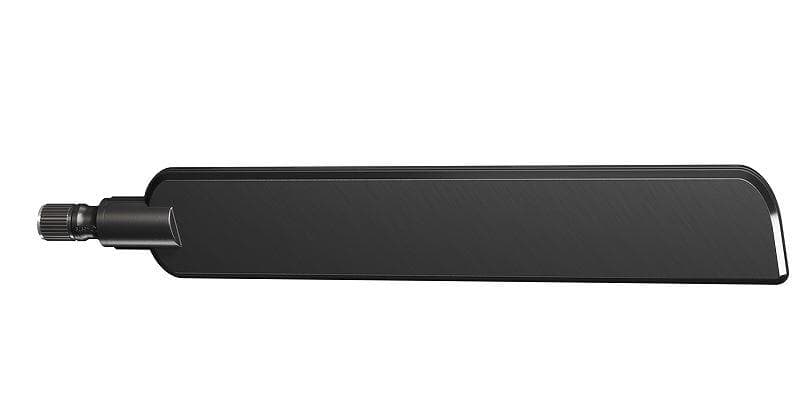
MikroTik HGO-antenna-OUT outdoor Wi-Fi antenna, 2.4/5 GHz, RP-SMA
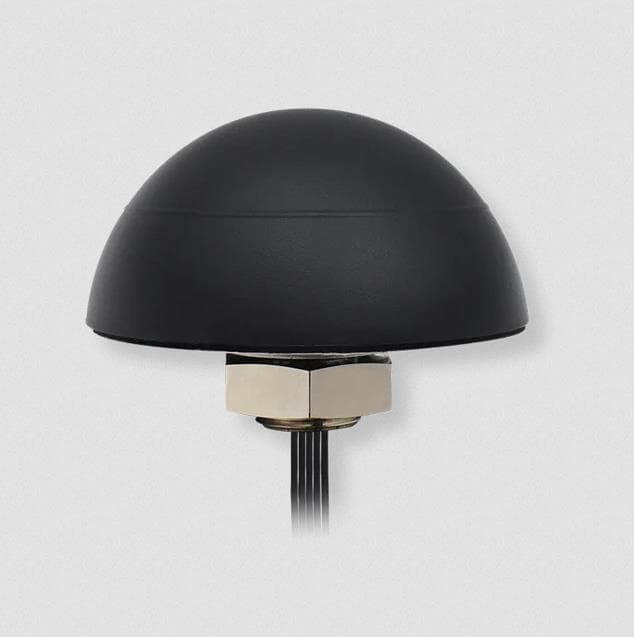
Teltonika PR1KCL28 LTE/GNSS Combo Quad roof antenna, SMA, IP67
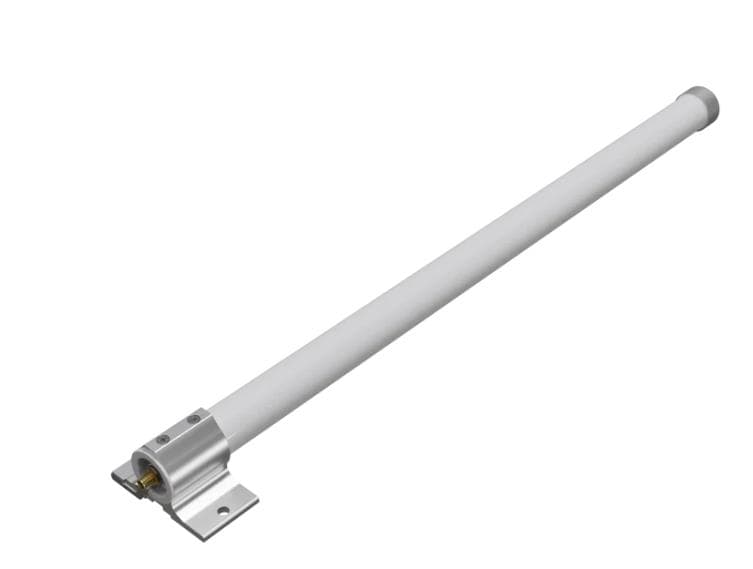
MikroTik 868 Omni LoRa antenna kit, 6.5 dBi, IP66
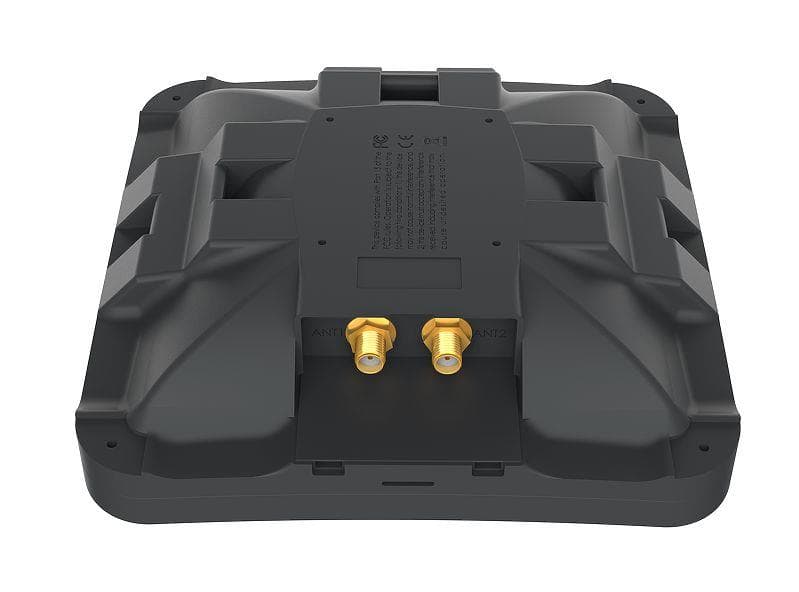
MikroTik mANT LTE 5o LTE antenna, 5 dBi, MTAO-LTE-5D-SQ
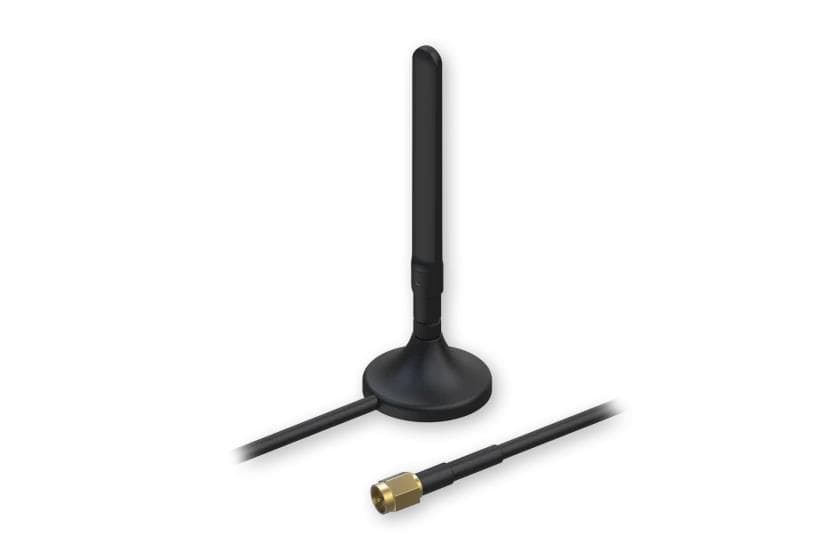
Teltonika PR1KS536 magnetic 5G antenna, SMA, 3 m cable
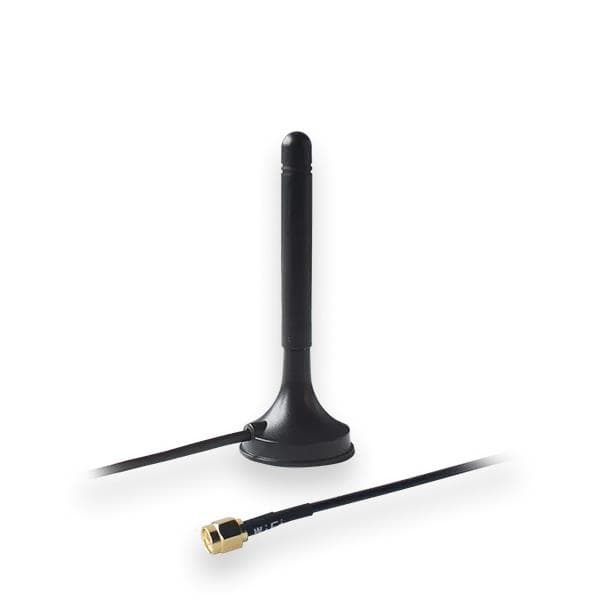
Teltonika PR1KRF30 magnetic Wi-Fi antenna, 2.4 GHz, RP-SMA, 1.5 m
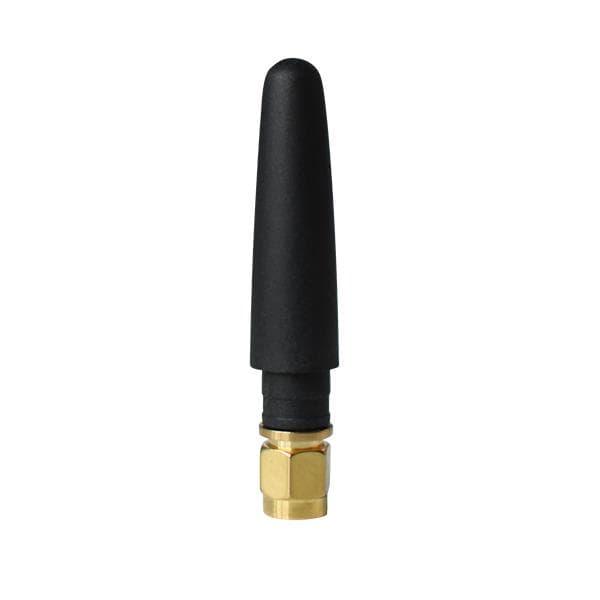
Teltonika PR1CS450 compact LTE antenna, SMA, 5 dBi
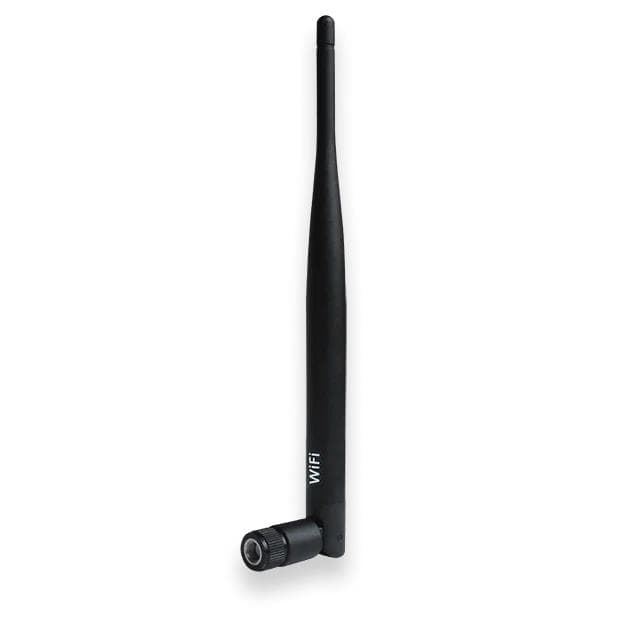
Teltonika PR1URF51 Wi-Fi antenna, 2.4 GHz, RP-SMA, 5 dBi
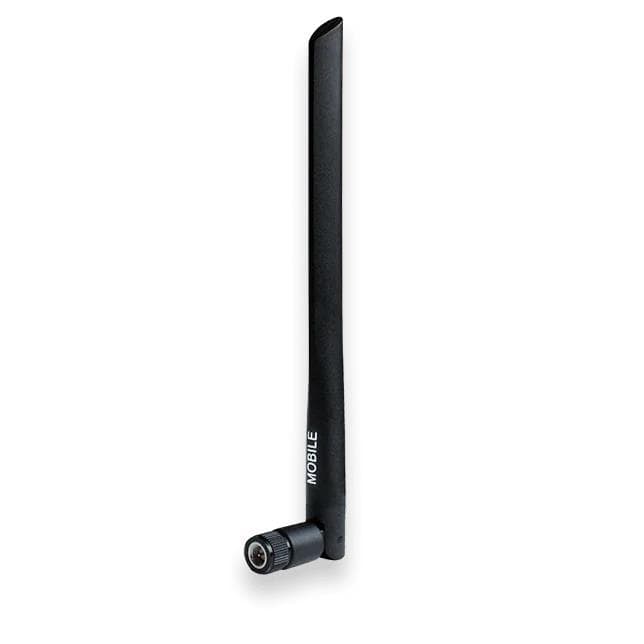
Teltonika PR1US440 LTE antenna, SMA, 3 dBi
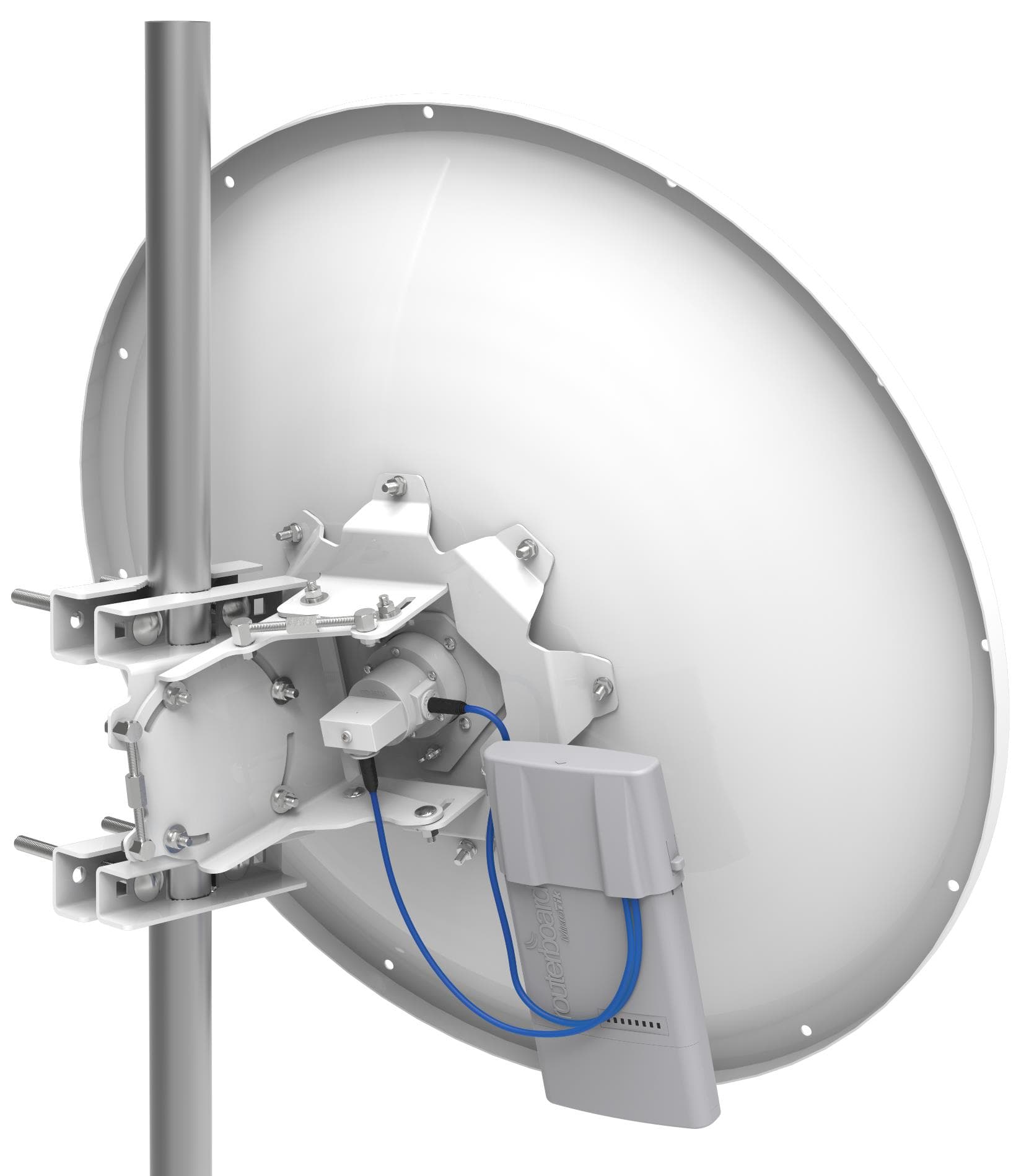
MikroTik mANT30 PA dish antenna, 5 GHz Wi-Fi, 30 dBi
How to choose an antenna
- Purpose. An external LTE or 5G antenna improves mobile internet in rural areas and in buildings with thick walls. A Wi-Fi antenna extends wireless coverage, and a GNSS antenna gives a device its location.
- MIMO and number of cables. Mobile antennas often have 2 or 4 cables. Connect them all — the router needs the same number of antenna ports.
- Mounting. A magnetic antenna sits on a car roof or any metal surface, an external antenna goes on a mast or wall. A combination roof antenna puts mobile, GNSS and Wi-Fi in one housing — a neat solution for vehicles.
- Gain (dBi). Higher dBi means a narrower beam. A directional antenna or a 5 GHz dish has to be aimed precisely, while an omnidirectional antenna works in every direction without aiming.
- Connector. Mobile antennas usually use SMA connectors, Wi-Fi antennas often RP-SMA. Compare the antenna and router connectors before ordering.
- Cable length. Every extra metre of cable weakens the signal — keep the cable as short as possible.
Installation and compatibility
Mount an external antenna as high as possible with a clear view towards the cell tower. Before fixing it for good, watch the signal readings in the router interface (such as RSRP and SINR) and turn the antenna until they are at their best. Protect outdoor connections from moisture and earth a mast-mounted antenna. 5 GHz dishes are used for point-to-point links, which need a clear line of sight between the two points.
FAQ
Will an external antenna always make the internet faster? It helps when the problem is a weak signal. If the cell tower is congested, an antenna will not raise the speed much.
Is a higher dBi always better? No — a high-gain antenna has to be aimed precisely at the tower. If the tower direction is unknown or changes, an omnidirectional antenna is the better fit.
See also routers, access points and network cables.