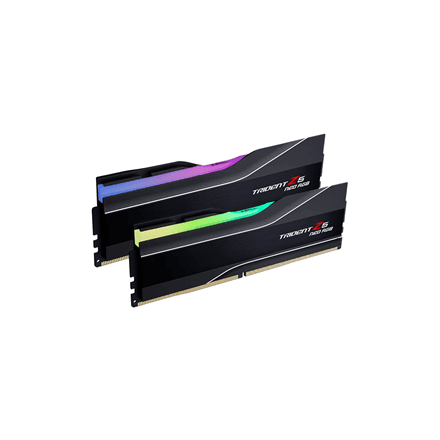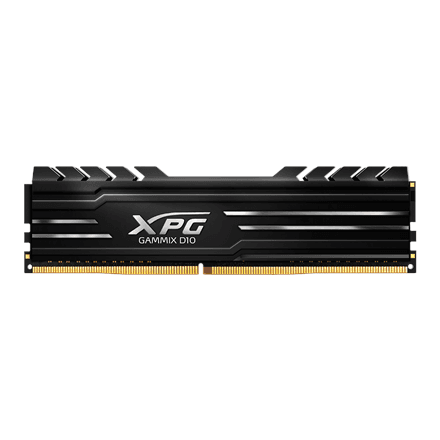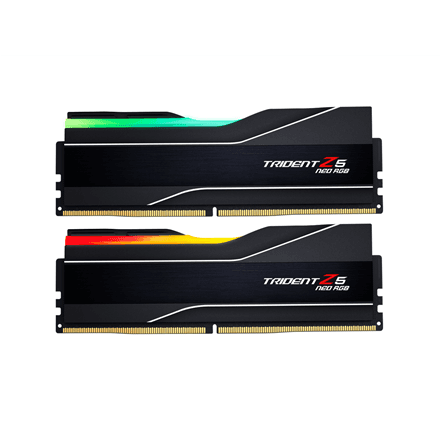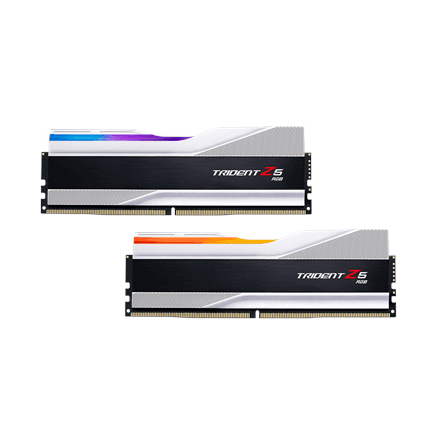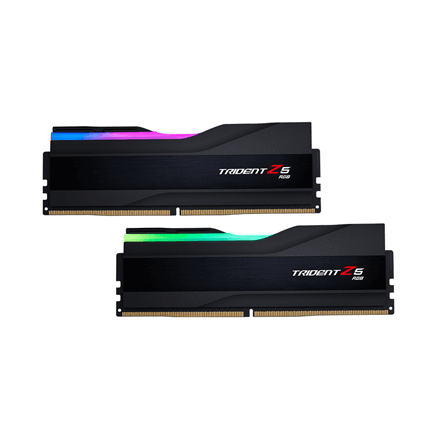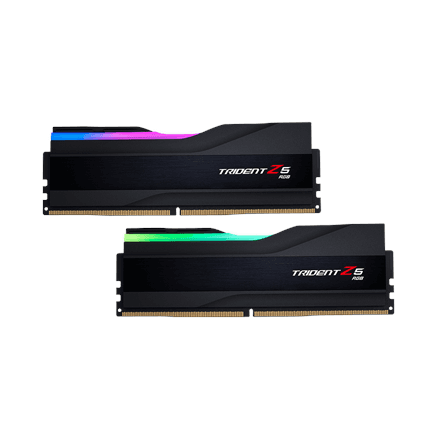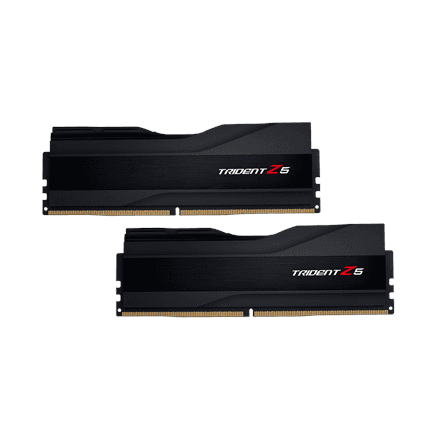
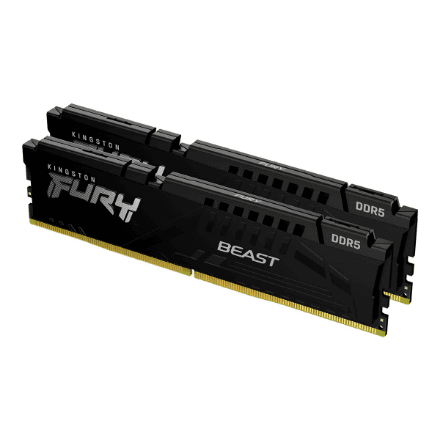
DDR5 at 6000 MHz: quicker data flow for everyday and heavy work
The headline figure here is 6000 MHz on the DDR5 standard. A higher memory clock moves data between the RAM and the processor faster, so the whole system feels snappier. Applications open faster, large files load with less waiting, and multitasking stays smoother when you have plenty running at once. For anyone building or refreshing a DDR5 system, this rated speed is the main spec to compare across memory kits.