
EV chargers
Wall chargers for an electric car at home or in a company car park: Wallbox, NexBlue, VOOL and AlphaESS, 11 and 22 kW, tethered or with a Type 2 socket, plus Type 2 charging cables and a dual-socket charging station.
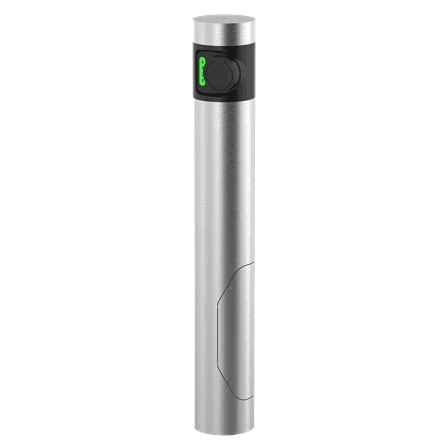
In balance Grid PC1-U-R charging station, 2 × 22 kW, Type 2 sockets, 4G, RFID
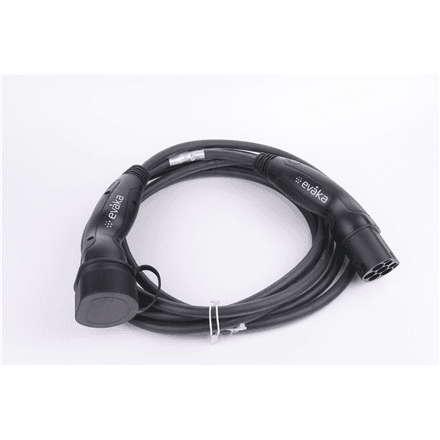
Evaka Type 2 to Type 2 charging cable, 22 kW, 32 A, 5 m, black
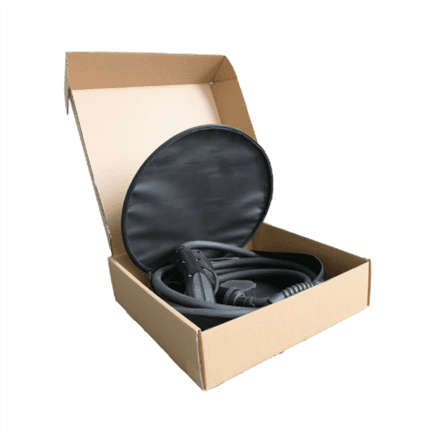
AlphaESS WB-IP3-AC1.0-16AT charging plug
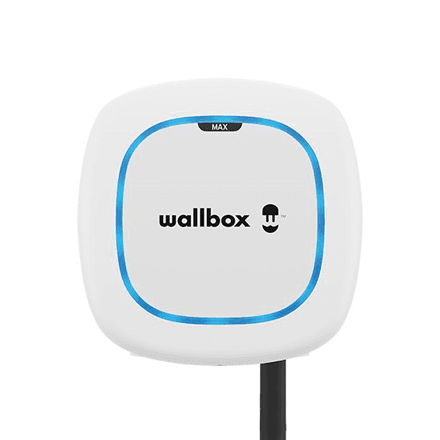
Wallbox Pulsar Max EV charger, 22 kW, 5 m cable, white
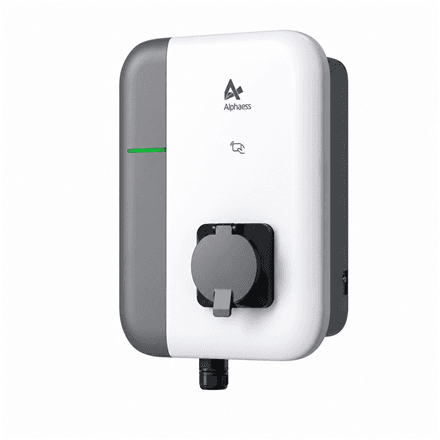
AlphaESS SMILE-G3-EVCT11 EV charger, 11 kW, three-phase, no cable
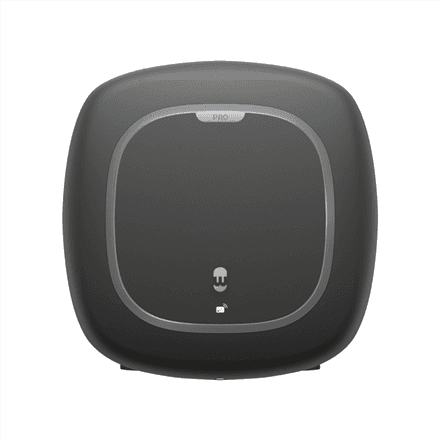
Wallbox Pulsar Pro EV charger, 22 kW, 5 m cable, black
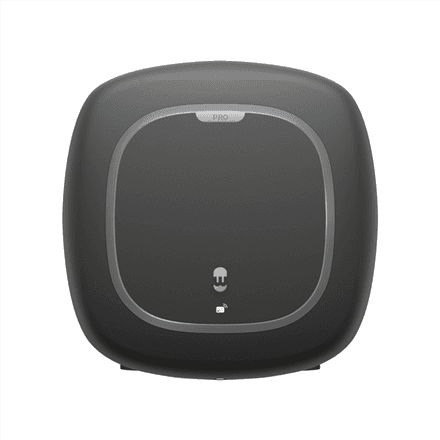
Wallbox Pulsar Pro EV charger, 22 kW, 7 m cable, Wi-Fi and Bluetooth, black
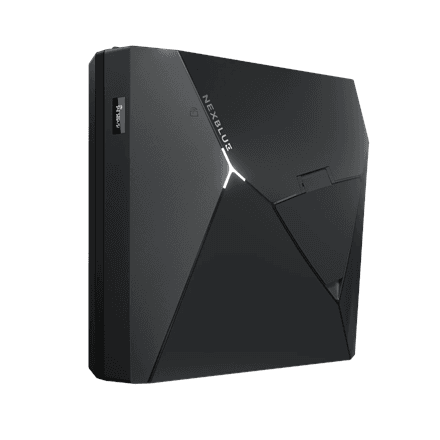
NexBlue Delta Max EV charger, 22 kW, MID, ISO 15118
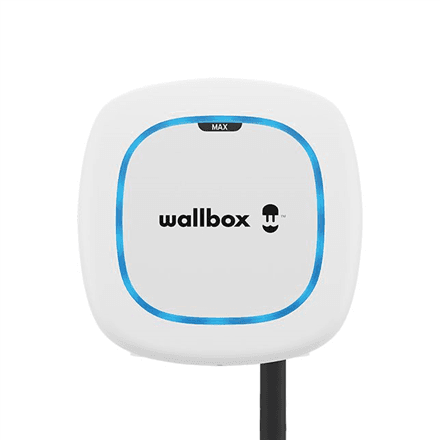
Wallbox Pulsar Max EV charger, 22 kW, 7 m cable, white
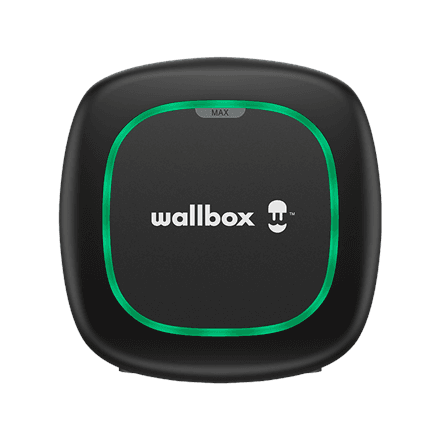
Wallbox Pulsar Max EV charger, 22 kW, 7 m cable, black
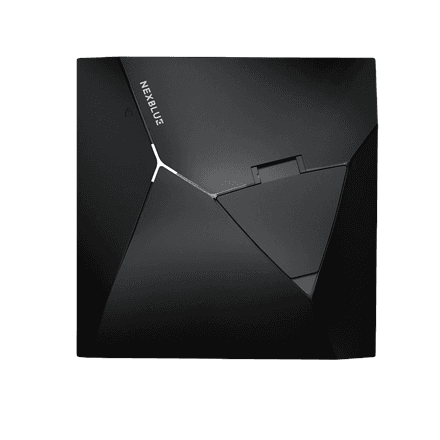
NexBlue Edge 2 EV charger, 22 kW, Wi-Fi and Bluetooth
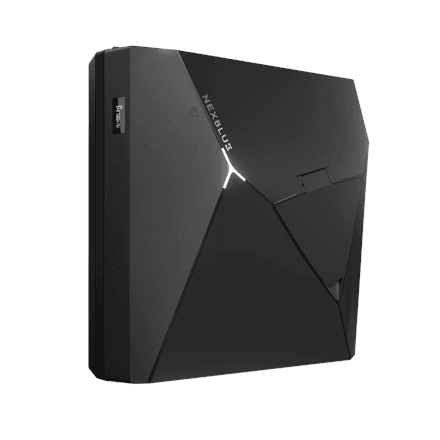
NexBlue Edge Max EV charger, 22 kW, MID certified, Wi-Fi and Bluetooth
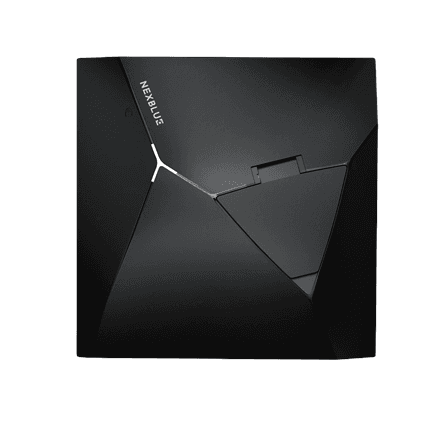
NexBlue Delta EV charger, 22 kW, Nexus load balancing
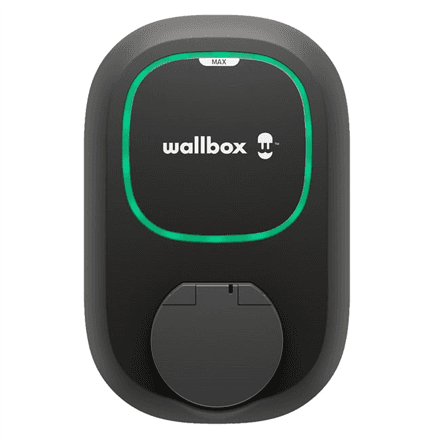
Wallbox Pulsar Max Socket EV charger, 22 kW, Type 2 socket, black
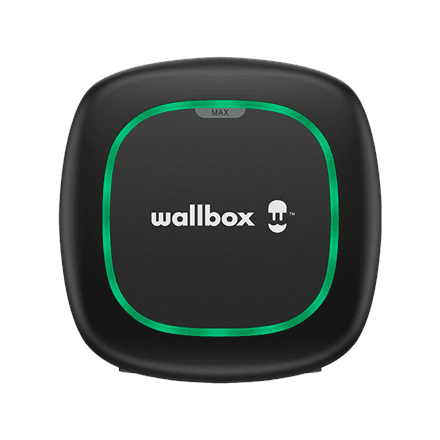
Wallbox Pulsar Max EV charger, 11 kW, 5 m cable, black
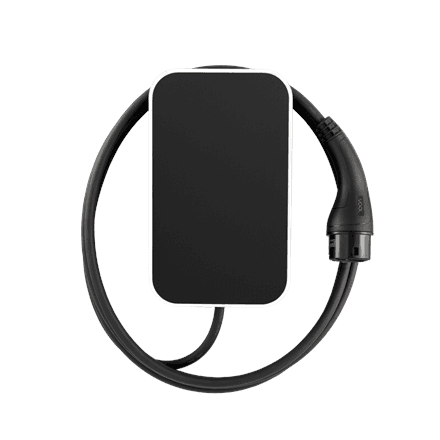
VOOL V22TMABGP EV charger, 22 kW, 6.5 m cable, 4G / Wi-Fi / Ethernet
Why a wall charger and not an ordinary socket
An ordinary socket charges a car slowly and is not meant to run at full load for hours. A wall charger charges several times faster, talks to the car, monitors earthing and current, and lets you schedule charging for cheaper electricity hours.
What to look at
- Power. An 11 kW charger needs a three-phase 16 A supply, a 22 kW one 32 A. The final speed also depends on the car's on-board charger: many cars take up to 11 kW on AC.
- Cable or socket. A tethered charger is handier day to day; a Type 2 socket charger needs a separate cable but suits any car.
- Connectivity. Wi-Fi, Bluetooth, 4G or Ethernet let you monitor and schedule charging in an app; some models accept RFID cards.
- Load management. If the house's main fuse is small, the charger works with a meter or current transformers to watch household consumption and lower the charging power when needed.
Installation
A wall charger is connected and set up by an electrician, who chooses the cable size, breaker and residual current protection and checks that the supply has enough capacity for the charger.
Related categories
Pedestals, cable holders, RFID cards, load management and circuit breakers are under EV charging accessories.
Frequently asked questions
Will a 22 kW charger charge every car at 22 kW? No — the car takes as much as its on-board charger allows. 22 kW makes sense if your car supports it or several cars share the charger.
Can the charger be installed outdoors? Yes, if its IP rating allows — it is stated in the product description. In an open spot a pedestal helps.