
Sleeping mats
Sleeping mats and self-inflating pads. At night the cold comes up from the ground, not down from the air — your mat decides sleep quality more than your bag does.
Outwell
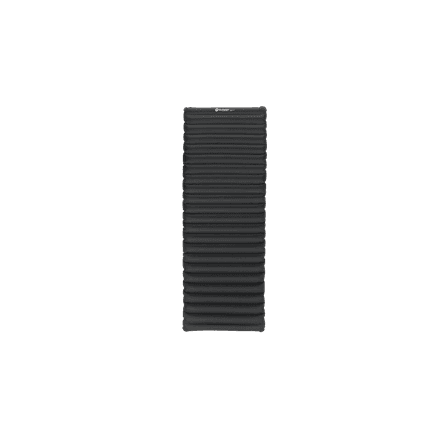
Outwell Reel Single airbed, 195 × 70 × 9 cm, black
€51In stock
Outwell
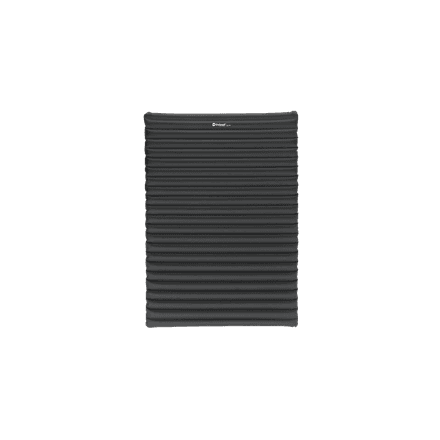
Outwell Reel Double airbed, 195 × 135 × 9 cm, black
€84In stock
Outwell
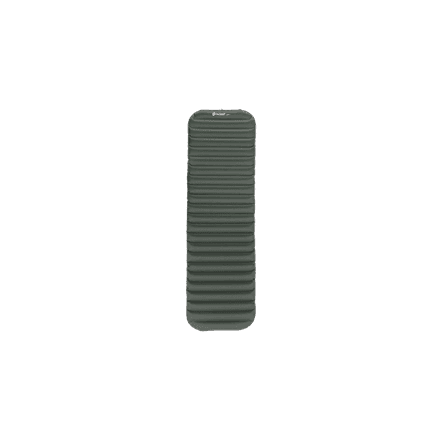
Outwell Dreamspell Single sleeping mat, 110 mm, 195 × 60 cm, green
€67In stock
Outwell
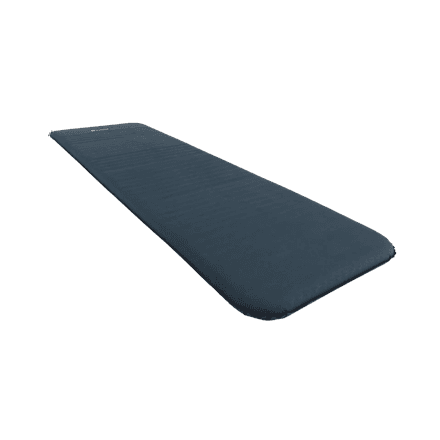
Outwell Dreamcatcher Single sleeping mat, 50 mm, 195 × 60 cm, blue
€67In stock
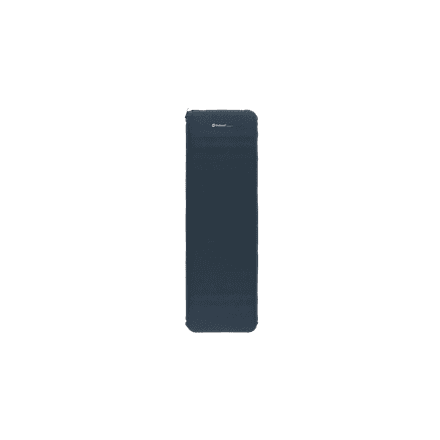
Outwell
Outwell Dreamcatcher Single sleeping mat, 120 mm, 200 × 75 cm, blue
€146In stock
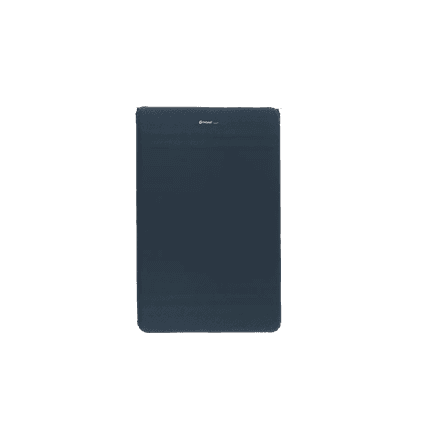
Outwell
Outwell Dreamcatcher Double sleeping mat, 100 mm, blue
€99In stock
Why the mat matters more than people think
The fill of a sleeping bag is crushed flat under your body and loses the trapped air that keeps you warm. That is why sleeping straight on the ground feels cold even in a warm bag. A mat restores that layer.
Types of mat
- Closed-cell foam. Cheap, cannot puncture or deflate. Bulky to carry but completely dependable — a good first mat and a good spare.
- Self-inflating pad. Open the valve and it draws in air by itself. The most practical compromise between warmth, thickness and weight.
- Inflatable pad. Smallest packed and thickest in use, but needs a pump and is vulnerable to punctures.
What to look at
- Thickness. Up to 3 cm is fine for summer; 5 cm and above sleeps noticeably better for side sleepers and on cold ground.
- Size. Length should cover heel to shoulder; 51 cm wide is standard, 63 cm gives a restless sleeper room.
- Weight and packed size. Every gram counts on a walking trip; none of it matters at a car camp.
Related categories
The set is completed by sleeping bags and tents.
Frequently asked questions
Does a self-inflating pad really inflate itself? Mostly, yes — but add the last couple of breaths yourself to get the firmness you want.
How should I store a mat? Unrolled with the valve open. The foam stays lofted and the mat fills faster next time.