
Tents
Tents for hiking, festivals and family holidays — from light two-person models to roomy family tents. Outwell, Easy Camp and Robens: brands whose waterproofing has been proven in Nordic weather.
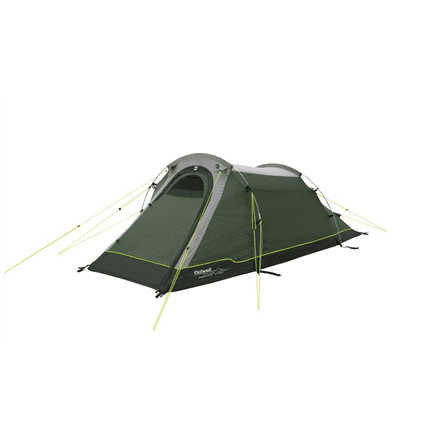
Outwell Earth 2 tunnel tent, 2 person, green
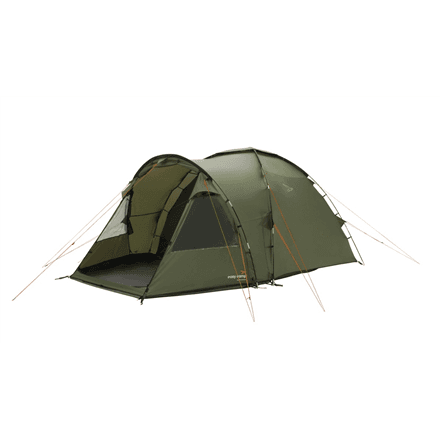
Easy Camp Kinn 4 family dome tent, 4 person, 3000 mm
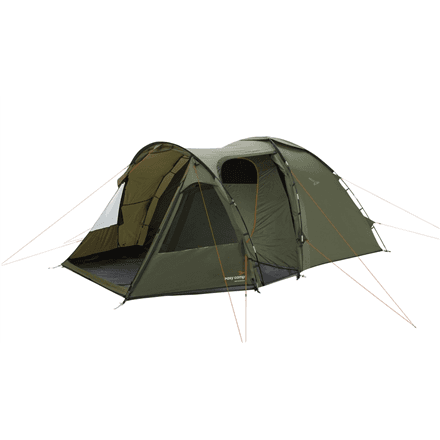
Easy Camp Kinn 5 family tunnel tent, 5 person, 3000 mm
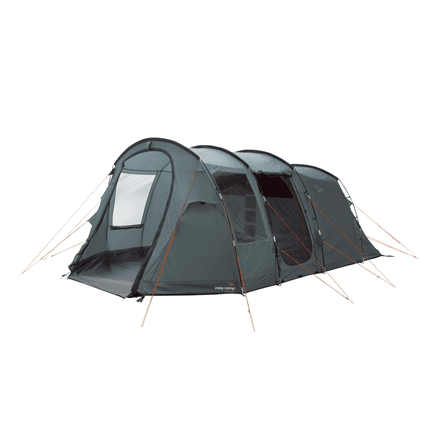
Easy Camp Hamra 5 family tunnel tent, 5 person, blue
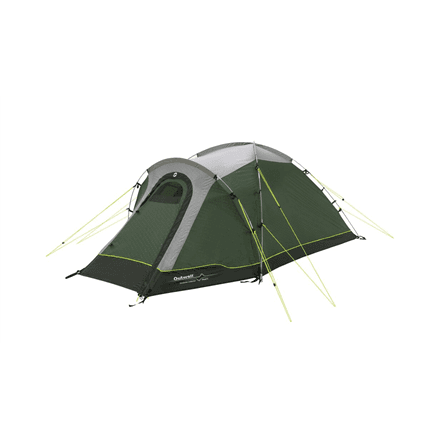
Outwell Cloud 2 dome tent, 2 person, green
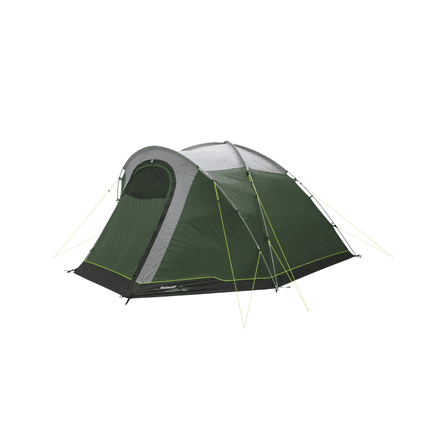
Outwell Cloud 5 two-room dome tent, 5 person, green
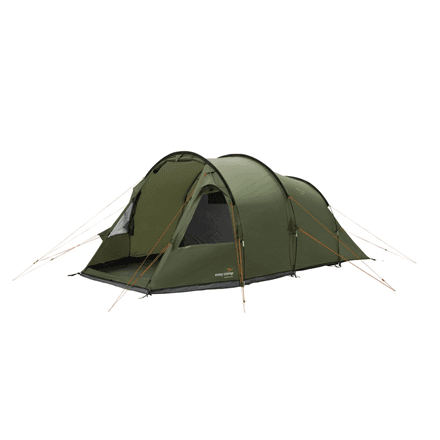
Easy Camp Hidra 4 family tunnel tent, 4 person, 3000 mm
How to choose a tent
Choosing a tent starts with two questions: how many people sleep inside, and what weather you go out in. The rest is comfort.
- Sleeping places. The manufacturer's figure is how many mats fit side by side. If you want packs inside too, size up by one.
- Hydrostatic head. 2000 mm is the minimum for Estonian summer rain; 3000 mm and above handles sustained downpours. The figure refers to the flysheet.
- Type. A dome pitches fast and handles wind, a tunnel gives more living space, and a combined design suits longer camps.
- Weight and packed size. Irrelevant by car; on foot or by bike every kilo counts.
- Inner tent and groundsheet. A breathable inner keeps condensation down, a bathtub groundsheet keeps damp out from below.
Which tent for which trip
An overnight hike needs only a light two-person tent. A festival calls for a quick-pitching dome. For a family holiday where the tent stays put for a week, choose a tunnel with a porch — somewhere to cook in the rain and hang wet clothes.
Related categories
A tent goes with sleeping bags and sleeping mats — without a decent mat you will feel the cold even in a warm bag.
Frequently asked questions
What does hydrostatic head in millimetres mean? It is the water column pressure the fabric withstands before letting water through. The higher the number, the longer the tent holds off rain.
Should I pitch the tent before the first trip? Yes. A practice pitch at home shows whether every pole and guyline is there, and you will be quicker at the campsite.